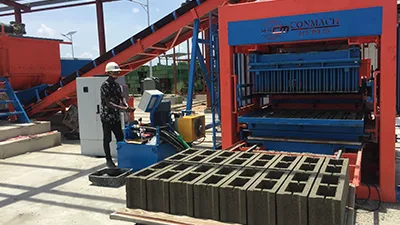
Choosing a concrete block machine requires more than comparing the number of blocks produced per shift. Product dimensions, required output, automation level, available labour, mould system, raw-material preparation, curing space and supporting equipment all affect the investment.
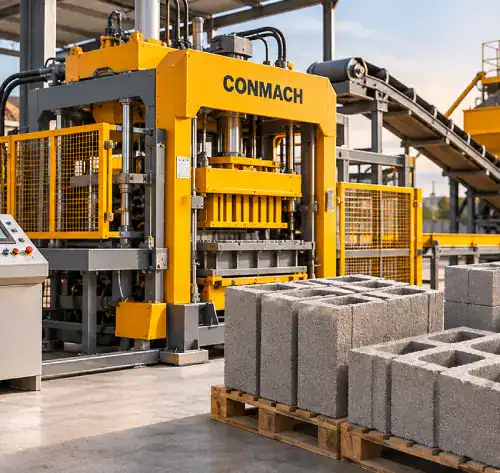
Capacity also changes with product dimensions. CONMACH lists different shift outputs for different block sizes within its concrete block machine range, which illustrates why a machine cannot be evaluated using one universal blocks-per-day figure.
Contents
How Should Production Capacity Be Selected?
The first step is to define the products that will actually be sold.
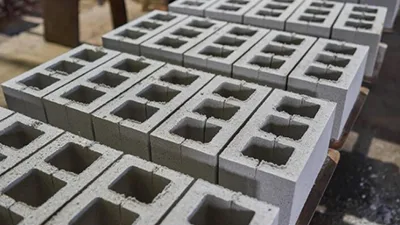
A machine can produce different numbers of 10 cm, 15 cm or 20 cm blocks per cycle. Paving capacity may instead be expressed in square metres.
Why Can Actual Output Differ From Published Capacity?
Real production is influenced by:
- concrete preparation,
- mixer capacity,
- feeding,
- pallet circulation,
- mould changes,
- operator interventions,
- maintenance,
- transfer to the curing area.
A fast block machine will still wait if the mixer or material-handling system cannot keep up.
The complete line must therefore be balanced around the target output.
Is It Better to Buy More Capacity Than Needed?
Some provision for growth is useful, but excessive unused capacity increases investment without necessarily increasing revenue.
Demand forecasts should include daily, monthly and seasonal requirements before machine size is selected.
Semi-Automatic or Automatic Concrete Block Machine?
Automation changes both capital cost and the way the factory operates.
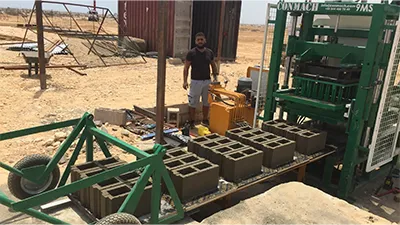
CONMACH offers both semi-automatic and automatic configurations within its block-making range.
What Does Automation Improve?
Automation can support:
- more repeatable production cycles,
- consistent material movement,
- reduced variation between shifts,
- easier monitoring of the production process.
It does not eliminate maintenance. More automated equipment also includes additional sensors and control components that require technical knowledge.
When Is a Semi-Automatic Machine Appropriate?
Semi-automatic production can be attractive for medium production volumes, lower initial investment or markets where labour is readily available.
Automatic lines become more attractive where high and continuous production needs to be maintained with a controlled process.
The comparison should include several years of labour and operating costs rather than purchase price alone.
Why Are Moulds and Product Range Important?
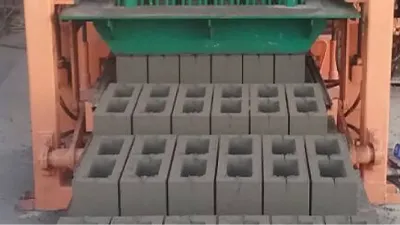
A concrete block plant can often produce several products by changing compatible moulds.
Blocks, pavers and kerbstones may require different mould geometries and machine settings.
Should Mould Changeover Be Fast?
It matters where the manufacturer frequently switches products.
Long changeovers reduce productive time.
Before purchasing, ask:
- Which moulds are compatible?
- How is mould change performed?
- Does cycle time change significantly between products?
- Are spare moulds and wear parts readily available?
Can One Machine Produce Every Concrete Product?
No.
The press force, vibration system, product height range, pallet dimensions and feeding arrangement must all be compatible with the intended product.
The product portfolio should therefore be defined before the machine is ordered.
How Should the Complete Production Line Be Planned?
The block machine is only one component.
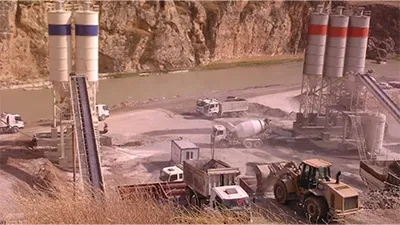
Concrete must be prepared, transferred to the machine, moulded, moved on pallets, cured and finally handled or packaged.
Why Must the Mixer Match the Block Machine?
The machine requires a fresh batch of suitable concrete every production cycle.
If mixing capacity is insufficient, the block machine waits.
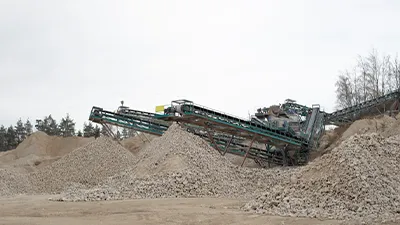
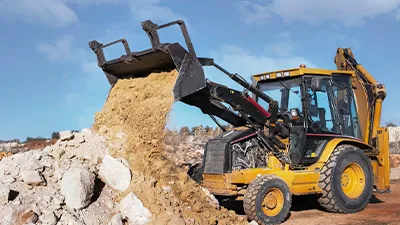
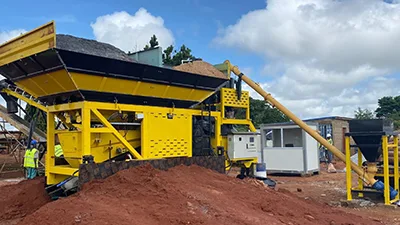
Aggregate batching, mixing, conveyors, hoppers and pallet handling should therefore be sized as one system.
Why Is Curing and Storage Space Important?
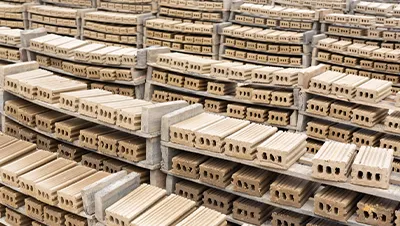
Blocks leave the machine quickly, but they still require appropriate curing conditions before normal handling and sale.
High daily output can create a large inventory of fresh products.
If the curing and storage area is undersized, it can become the true bottleneck even when the machine itself has sufficient capacity.
Why Should Maintenance and Service Influence the Decision?
Purchase price is only one part of the cost of ownership.
Mould wear, energy, labour, spare parts, planned maintenance and unplanned downtime all contribute to the cost per finished block.
Before purchasing, evaluate access to critical parts, routine maintenance requirements and technical support.
Frequently Asked Questions
How should block machine capacity be selected?
Product size, daily demand, shift structure and supporting equipment should all be considered.
Is an automatic machine always better?
No. It can be advantageous for high-volume production, while a semi-automatic machine may suit a smaller operation.
Can the same machine make pavers and blocks?
Yes, where the machine and compatible mould system support both products.
Is blocks per shift enough to compare machines?
No. Automation, product quality, mould system, maintenance and actual line performance also matter.
How much factory space is needed?
Space is required not only for the machine but also for raw materials, mixing, pallets, curing, finished products and vehicle movement.
A successful block factory is a balanced production line rather than one high-capacity machine.
Share your target products, dimensions, daily capacity and automation requirements through the CONMACH contact page to evaluate the machine and supporting equipment required for the complete process.
Contact Us