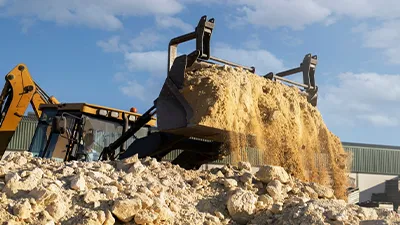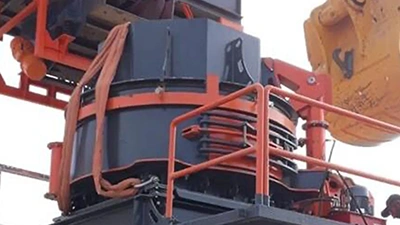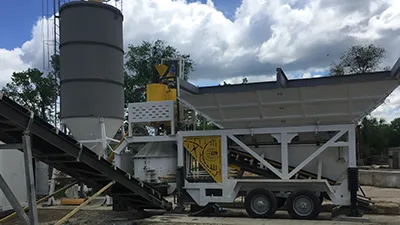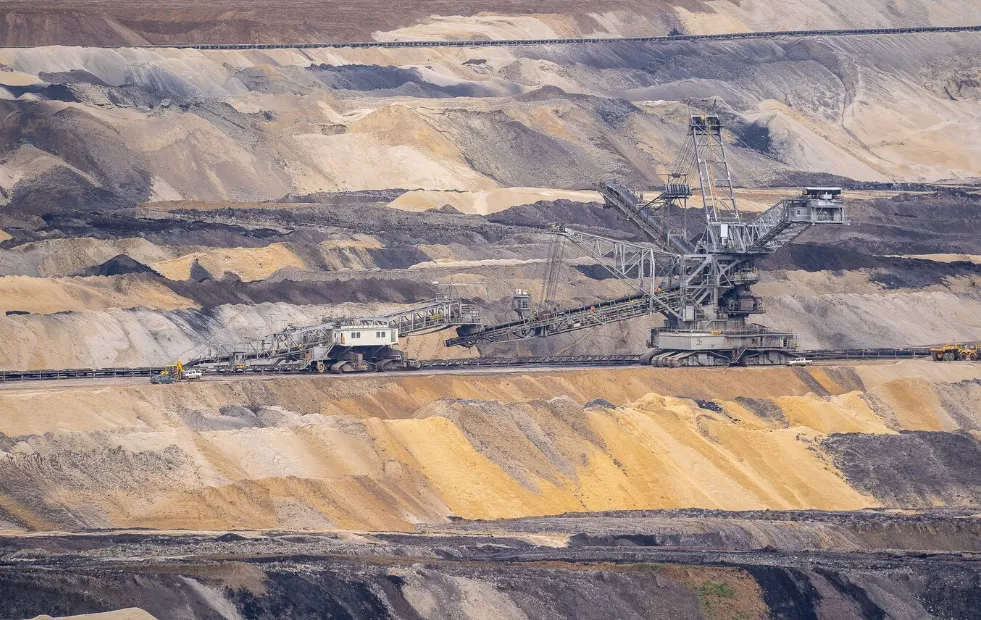
What is pumice stone? Pumice stone is formed when lava erupting during volcanic eruptions rapidly cools and the gases inside it evaporate. This extremely light and porous type of rock works without leaving noticeable marks on surfaces thanks to its spongy texture, which has an abrasive effect. These characteristics make it a preferred material for both everyday use and various industrial applications. Due to the effects of the natural formation process, it can be found in different densities and sizes, which is an important advantage that expands its areas of use.
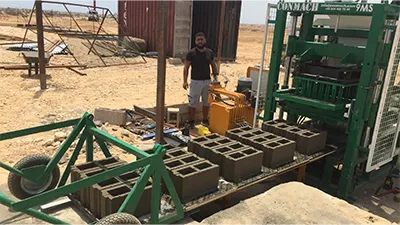
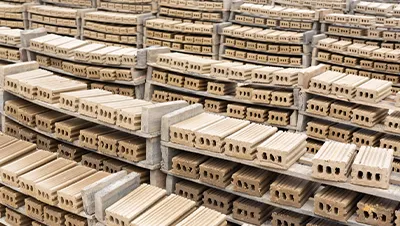
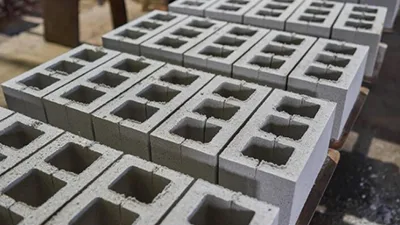
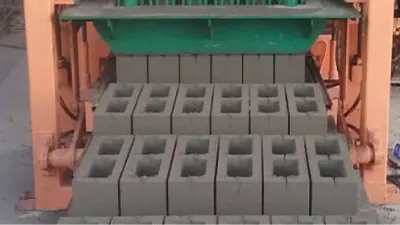
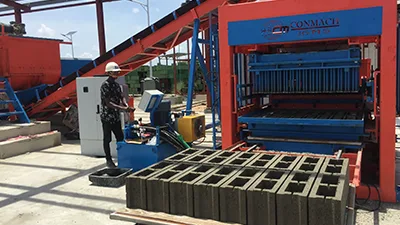
What is pumice stone? In the construction industry, pumice stone is valued as an important material due to its low weight and heat-reducing structure. When added to concrete mixtures, its porous texture reduces the total mass, enhancing heat and sound insulation properties. This helps create more durable and flexible structures, especially in earthquake-prone areas. Lightweight concrete and blocks made using pumice aggregate are frequently preferred in modern construction projects due to their ease of shaping, cost-effectiveness, and contribution to energy savings.
What is Pumice Stone Used For?
Pumice stone has a wide range of uses in industrial areas and daily life thanks to its volcanic origin and spongy texture. Its fine and light structure, high porosity, and abrasive yet non-damaging effect on surfaces make it useful in many areas, from cleaning to the construction industry.
The most prominent features of pumice stone are its thermal insulation, sound absorption, and lightness. These features play an important role in increasing energy efficiency and reducing building loads in construction projects.
The different types of pumice stone, which vary according to needs, further highlight the wide range of uses for this natural material. Considered one of the basic components of lightweight concrete in the construction industry, pumice is used in agriculture as an additive that supports soil aeration.
It also provides regular and controlled abrasion in surface cleaning and sanding applications in workshops. Some of the most prominent uses that demonstrate the technical aspects of pumice are as follows:
- It supports the creation of safer structures by reducing mass in the production of lightweight concrete and insulation blocks.
- It improves soil texture, strengthens root development, and contributes to maintaining moisture balance.
- It delivers effective results in cleaning and surface finishing work with its abrasive yet non-damaging structure.
- It utilizes its heat and sound insulation potential to increase energy savings in construction projects.

Pumice stone is a sustainable option that improves both the strength and overall performance of concrete products thanks to its functional role in building materials. It makes a significant contribution to modern construction projects by working in harmony with lightweight concrete production, insulation applications, and high-performance aggregate solutions. Its natural structure and versatile use support the creation of economical, strong, and environmentally friendly structures.
Key Factors Affecting Pumice Stone Prices
The main reason there isn’t a single “fixed price” in the market is the variety of the product. The following criteria directly influence the price of pumice stone:
- Grain Size (Calibration): Size differences between 0-6 mm (fine) and 20-50 mm (coarse) affect the price due to screening costs. Sizes used for agriculture and those used for construction filling are priced differently.
- Quality and Purity: The percentage of foreign matter, the hardness of the stone, and its water absorption capacity determine its quality. Washed and screened pumice is more expensive than raw material.
- Packaging: Pumice stone purchased in bulk is more economical per ton than products in big bags or pallets.
Transportation and Logistics the distance between the location of the pumice mines (generally Nevşehir, Kayseri, and Bitlis regions in Türkiye) and the delivery address is one of the largest components of the final cost.