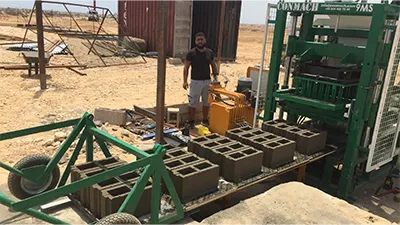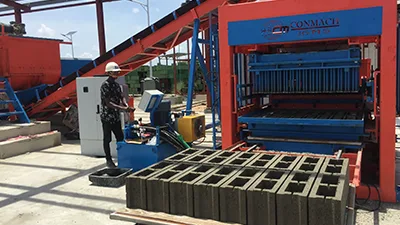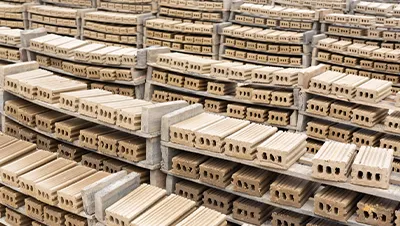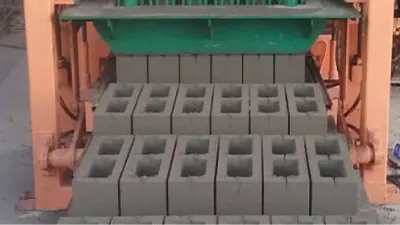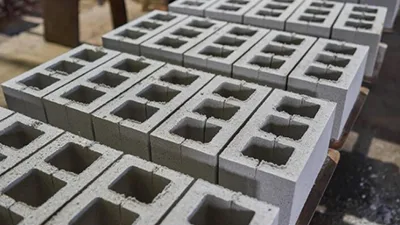
The price of pumice block is primarily determined by the product’s density, measurement accuracy, and production standard. This material, preferred in the wall-building phase of construction projects, stands out for its lightweight structure and properties that contribute to thermal insulation. Users choose from different types of pumice block according to project requirements. The performance of solid or hollow products varies depending on the area of use. When calculating costs, the unit price and long-term usage expectations are evaluated.
The price of pumice block also takes into account additional factors such as transportation costs, palletizing options, and order quantity. High-volume purchases, especially in large projects, directly affect budget planning. Variables such as the location of the construction site, the length of the supply period, and stock status are among the other factors that shape the cost. Those who want to work with this product determine the option that suits their needs by comparing quality standards and manufacturer reliability.
Ponza Pumice Block Price
In evaluating bims products preferred for wall applications in the construction industry, there are many technical elements that affect the price of 10-unit bims. The lightweight structure of this product is preferred in non-load-bearing walls and makes a significant contribution to reducing the overall load of the structure.
Density ratio, dimensional stability, the type of aggregate used in the production process, and the firing method are key factors determining the unit cost. When making an assessment, project owners consider the cost analysis, the physical properties of the material, and its suitability for the type of structure. Factors such as thermal conductivity, sound absorption, and ease of installation are an integral part of the evaluation process.
So, what criteria should be considered most when selecting pumice bricks? When selecting pumice, the density value, dimensional accuracy, the purpose for which the wall will be used, and the reliability of the manufacturer are the basic evaluation points. When these criteria are properly examined, the application steps proceed in a more controlled manner, and the performance of the constructed wall reaches the targeted strength level.
When reviewing the price of pumice in project planning, external factors such as transportation costs, palletizing options, product quantity, and shipping distance significantly affect the budget. Sourcing from manufacturers located far from the construction site can lead to higher-than-expected logistics costs.
High volumes demanded in large-scale projects create volatility in unit costs. In addition, the ease of workmanship experienced by craftsmen during the wall building process is also an advantage that is evaluated. Products with high dimensional consistency create a smoother wall surface and contribute to shorter workmanship times.
High volumes demanded in large-scale projects create volatility in unit costs. In addition, the ease of workmanship experienced by craftsmen during the wall building process is also an advantage that is evaluated. Products with high dimensional consistency create a smoother wall surface and contribute to shorter workmanship times.
The key variables determining Bims cost are as follows:
- Density class and strength category
- Shipping conditions suitable for vehicle access
- Measurement tolerance affecting labor speed in application
- Total usage quantity specified for the project
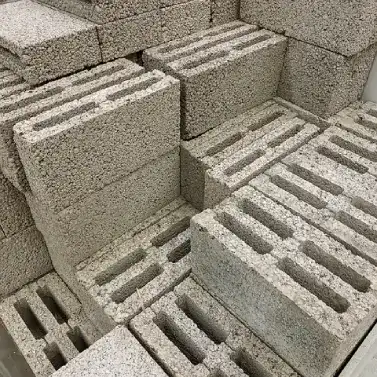
The unit price analysis of Bims is based on matching the technical capacity of the product with the needs of the project. Since construction projects target long-term use, the reliability of the supply chain is as important as the quality standard of the material. When the right model is chosen, wall applications progress more efficiently and structural integrity is maintained at the desired level.