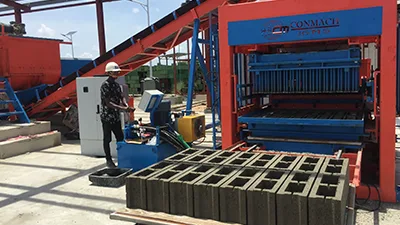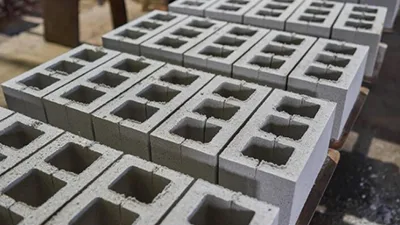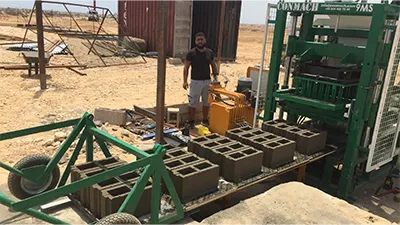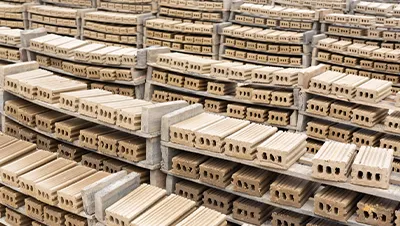
Concrete block manufacturing process starts with controlled material batching and continues through mixing, mould filling, vibration, compaction, demoulding, curing and quality control. Product dimensions, surface quality and mechanical performance depend on consistent control throughout the line.
Concrete block manufacturing process can be adjusted for hollow masonry units, solid blocks and other moulded concrete products. Aggregate grading, moisture content, vibration settings, pressure and curing conditions all influence the finished unit.
What Materials Are Used to Make Concrete Blocks?
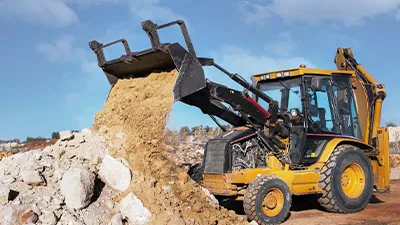
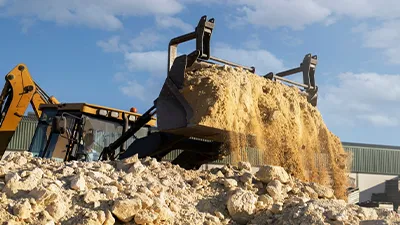
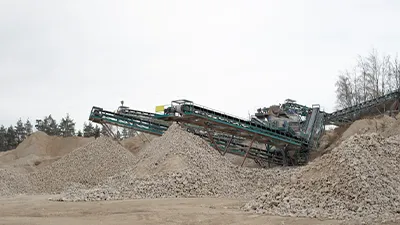
Typical ingredients include:
Material selection must suit the moulding process as well as the final product. A semi-dry mixture needs to fill the mould, compact efficiently and retain its shape as soon as the mould is lifted.
These points should not be read as an isolated checklist. Each one affects a different part of design or production, and changes in one parameter can influence the behaviour of the others.
- Cement
- Fine aggregate
- Coarse aggregate
- Water
- Chemical admixtures
- Pigments where required
Taken together, these points explain why one numerical value is rarely enough to define a reliable solution. The final decision should combine project requirements, material behaviour and actual production conditions.
The mixture is normally much drier than conventional ready-mixed concrete.
How Is the Concrete Block Mix Prepared?
Agrega fraksiyonları ve çimento reçeteye göre dozajlanır. Su kontrollü biçimde eklenir ve karışım istenen homojenliğe ulaşana kadar mikserde işlenir.
Karışım hazırlama aşaması, sonraki kalıplama çevriminin kararlılığını belirler. Nem dağılımının homojen olmaması, aynı vardiya içinde bile ürün yüksekliği, yüzey ve yoğunluk açısından farklı sonuçlar doğurabilir.
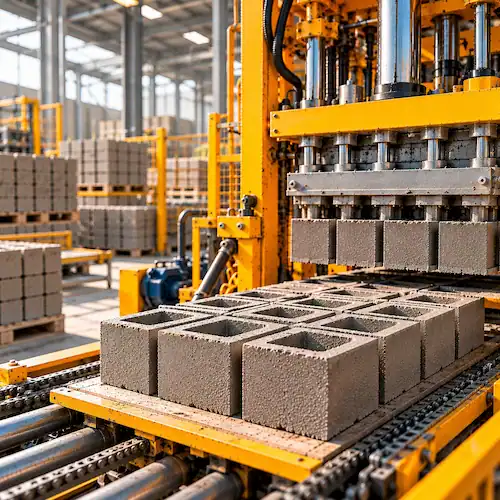
Hazırlanan yarı kuru beton, briket ve beton blok makinelerine beslenerek seçilen kalıp içinde şekillendirilir. Aynı makine ailesinde farklı kalıp seçenekleri kullanılarak ürün çeşitliliği artırılabilir.
Why Is a Semi-Dry Mix Used?
The mixture must contain enough moisture to compact properly but remain stable when the mould is lifted.
It is useful to separate the main variables for clarity, although they remain closely connected in practice. The following points show which technical factors shape the final decision.
Correct consistency supports:
- Uniform feeding
- Complete mould filling
- Efficient compaction
- Immediate shape retention
The key is not to optimise any one item in isolation. Stable production depends on keeping these variables compatible with one another throughout the process.
How Are Concrete Blocks Moulded?
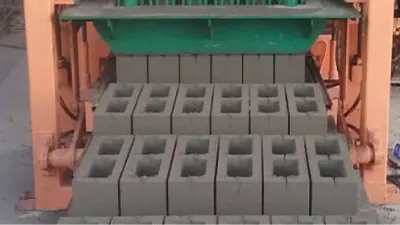
A typical cycle includes:
Although the moulding cycle may last only a short time, several critical movements happen within it. Uniform feeding is essential because it determines whether each mould cavity receives a comparable amount of material before compaction.
Several variables are assessed at the same time in real production. The items below explain the main data that should be considered before a mix, machine setting or production step is confirmed.
- Positioning the pallet
- Feeding the mix
- Filling mould cavities
- Applying vibration
- Lowering the press head
- Compacting the product
- Raising the mould
- Removing fresh units on the pallet
Knowing the individual values is only part of the task; their interaction also needs to be controlled. This is especially important when repeatability between batches or products is a quality target.
For higher-volume production, an automatic concrete block machine can coordinate feeding, vibration, pressing and discharge through repeatable cycles.
Why Are Vibration and Pressure Important?
Semi-dry concrete does not consolidate sufficiently under gravity alone. Vibration helps particles rearrange, while the press head increases compaction.
Vibration and pressure work together to rearrange particles and build density. Excessive settings can be as problematic as insufficient compaction, so the machine parameters must suit the product and mixture.
Breaking the process into individual factors makes the technical logic easier to follow. In practice, however, these factors work together and should be reviewed as part of one production system.
Insufficient compaction can lead to:
- Voids
- Weak edges
- Density variation
- Inconsistent product height
All of these factors influence whether a theoretical design performs as expected in real production. Regular measurement and record keeping make it easier to identify the source of variation.
How Are Concrete Blocks Cured?
Freshly demoulded blocks require suitable moisture and temperature conditions for continued cement hydration.
Curing is not simply a waiting period after moulding. Early-age moisture and temperature control supports hydration and helps the product reach sufficient strength for handling and later service.
The outcome depends on balancing a small number of critical parameters rather than optimising a single value. The following points show where that balance is established.
Good curing supports:
- Strength development
- Moisture retention
- Reduced early cracking
- More uniform production quality
The list highlights the critical control points, but product quality comes from managing them consistently over time. Small deviations can become significant in high-volume production.
How Is Block Quality Controlled?
Typical checks include:
Quality control should also include the process itself. Mix moisture, pallet condition, mould wear and machine settings can reveal the source of dimensional or strength variation before final tests are completed.
The difference between a theoretical specification and reliable production often appears in these details. Each of the following factors therefore needs to be assessed under actual operating conditions.
- Dimensions
- Geometry
- Surface condition
- Unit weight
- Density
- Compressive strength
- Water absorption
These parameters should therefore be treated as one connected system. Reliable results come from matching material properties with the machine, process and site conditions.
When selecting a production line, product dimensions, target output and automation requirements can be discussed through the CONMACH contact page.
Frequently Asked Questions
What are concrete blocks made from?
Cement, aggregates and water form the basic mixture.
Why is semi-dry concrete used?
It can be compacted and immediately demoulded while retaining its shape.
How are blocks compacted?
Vibration and pressure are generally used together.
Can one machine produce different block sizes?
Yes, when compatible moulds are available.
Can blocks be used immediately after production?
No. They must develop sufficient strength through curing.
What determines block machine capacity?
Product size, cycle time, mould area and automation level.